Choose a skill to build
Identify one practical skill connected with the direction you are exploring.

Career clarity
Career counselling in Dehradun begins with the choices directly ahead: which subjects to take, which courses to explore, and which colleges or universities—in India or abroad—may suit the student. The aim is not to decide their whole future today, but to make the next decision with greater understanding and confidence.
Rosemounts brings counselling, assessments, skill-building and guided projects together so students can understand themselves, explore their interests and compare suitable educational pathways.
Your first conversation helps us understand your situation. It is not a sales pitch. Outside Dehradun? Explore online career counselling across India.
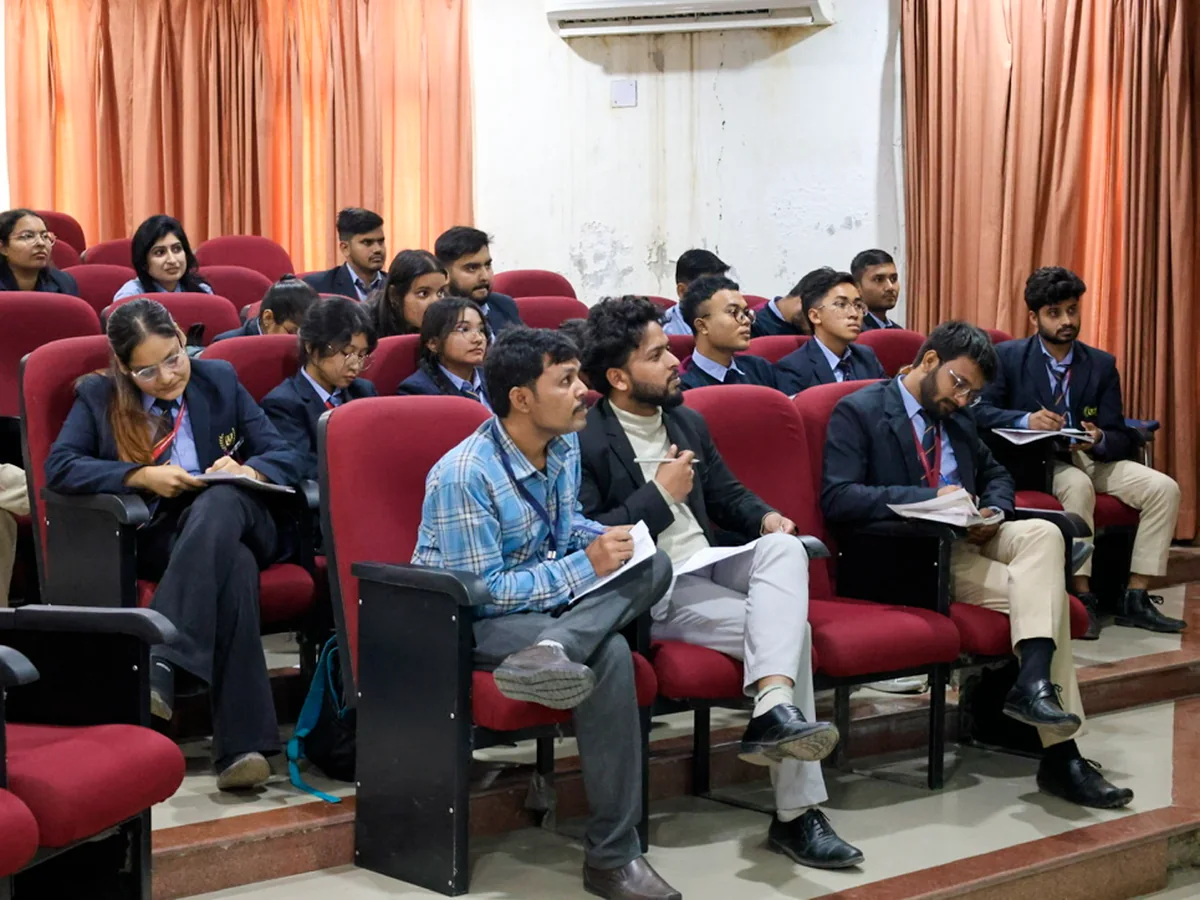
A practical process
You do not need to arrive with all the answers. We help you gather useful information, talk through what it means and turn it into an achievable next step.
Tell us the decision you are facing. If you prefer, begin with a short Discovery Assessment before speaking to us.
For students in Grades 8–12, the VIP+™ Career Pathway Program is a guided journey that helps a student understand their Values, Interests, Personality and Skills before choosing a path. For other life stages, we select the assessment set that fits the decision.
A counsellor helps you connect the results with your subjects, responsibilities, goals and available options.
Your report brings the key findings and possible directions together in one place. It supports a decision; it does not make the decision for you.
Build a relevant skill, complete a guided project and use what you learn to refine your direction. Manan™ and your counsellor help you reflect and decide what comes next.
Pricing follows a conversation — every journey begins with a Discovery Call.

Guidance in practice
Assessment findings become useful when a student can ask questions, connect them with real choices and understand what to explore next. That conversation is where information begins to become clarity.
Guidance for every stage
School students begin with subject, course and university choices. Students leaving school, those already at college or university, working professionals and parents face different questions—so each has a dedicated pathway below.
Compare subject combinations, school options and future eligibility by understanding the student—not by marks or pressure alone.
Explore guidance after Class 10 SchoolUnderstand your values, interests, personality and skills before choosing subjects, streams, courses and future educational pathways.
Explore the student pathway After schoolCompare courses, entrance routes, colleges and universities in India or abroad without rushing into the next available option.
Explore guidance after Class 12 College & universityReview your specialisation, internships, skill gaps, higher study and first career step—even if your present course no longer feels right.
Explore guidance for college students ProfessionalThink through a career change, return to work or next role with a clearer picture of your priorities and strengths.
Explore guidance for professionals FamilyUnderstand the guidance process, ask better questions and support your child without taking the decision away from them.
See the parent pathwayFrom clarity to capability
Career choices should not rest only on assessments and conversations. We help students build relevant skills and complete guided projects so they can experience the work, create something themselves and learn what genuinely fits them.
Skills and guided projects form a natural bridge between Career Clarity and The Living SkillBench™ Academy.
Identify one practical skill connected with the direction you are exploring.
Use the skill in a meaningful project with Rosemounts guidance. The aim is to experience the work, not merely read about it.
Review what felt interesting, difficult or rewarding, then use that experience to refine the next step.
How decisions are supported
A good assessment can show patterns in what matters to you, what holds your interest, how you prefer to work and the skills you can build. It cannot know your family, opportunities or lived experience. That is why Rosemounts combines assessments with a counsellor conversation.
What they measure, what they cannot measure and how to use results responsibly.
Understand the testsThe research behind the framework, with claims clearly labelled VERIFIED, PROMISING or FRONTIER.
Read the evidenceA short, no-fee starting point when you want to notice one pattern before deciding what help you need.
Start a Discovery AssessmentQuestions about career counselling
A good first step should make the process clearer. These are the questions students, parents and professionals most often need answered before starting.
Rosemounts supports students in Grades 8–12, young people choosing subjects after Class 10 or pathways after Class 12, college and university students, working professionals and parents supporting a child’s decision.
We begin with the decision you are facing and the context around it. The conversation helps us understand whether an assessment, a dedicated guidance pathway or another starting point would be most useful. It is not a sales pitch.
Yes, when an assessment fits the decision. Results are treated as evidence rather than a verdict, then interpreted through a counsellor conversation alongside the student’s subjects, responsibilities, goals and opportunities.
Yes. Parents can understand the process, ask better questions and support the student without taking the decision away from them. Rosemounts also has a dedicated pathway for parents.
No. Rosemounts has dedicated guidance pathways for college and university students as well as working professionals considering a change, a return to work or their next role.
Send Rosemounts an enquiry and tell us the decision you are facing. If you prefer, you can first take a complimentary Discovery Assessment and use what you notice to begin the conversation.
A learner’s experience
A learner describes how personalised career guidance differed from generic advice.
Read all Google reviews“The mentors actually listen and give personalized guidance instead of generic advice, which made a big difference for me.”
Tell us the decision you are facing. A counsellor will help you choose the right first step.
Send an enquiry