
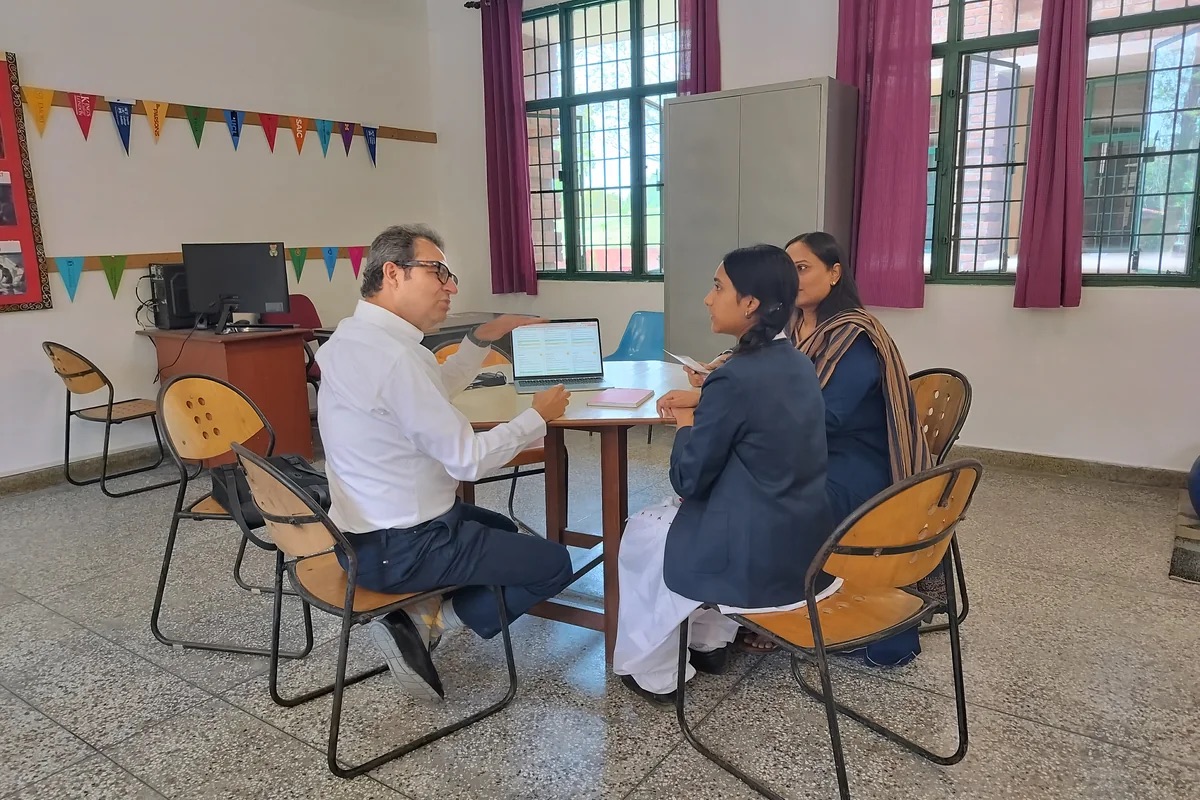
What student-led career planning means
The OECD Learning Compass describes student agency as the capacity to set a goal, reflect and act responsibly to create change. It also emphasises co-agency: students learn and decide in relationships with teachers, parents, peers and communities. That distinction matters in career guidance. Agency is neither total independence nor unrestricted choice.
In practice, a student-led process gives the learner a real job to do. The student might frame a question, shortlist two pathways, interview a professional, compare course requirements or reflect on a project. The counsellor designs a fair process. The family contributes values, constraints and experience. The final decision is better because the student has participated in producing the evidence.
Why ownership matters
Career decisions often fail to become action when the plan belongs mainly to the adult who proposed it. A student may politely agree with a recommendation but remain unable to explain why it fits, what it requires or what to do next.
Ownership changes the quality of the conversation. It asks the student to move from preference to investigation and from investigation to a manageable commitment. The goal is not certainty. It is a more capable decision-maker who can notice new information and revise a plan responsibly.
- The student can state the decision or question in their own words.
- The student distinguishes personal evidence from family expectations and online claims.
- The student completes at least one real exploration task before closing an option.
- The student can name the next action, the deadline and the support required.
- The student knows that changing a plan in response to better evidence is learning, not failure.
A five-part student-led planning cycle
The cycle should be repeated as the student gains exposure. Younger students may use it for a subject, club or project choice. Older students can apply it to course, college, apprenticeship or early-career decisions.
- Frame one decision. Replace “What should I become?” with a question that can be investigated now.
- Collect evidence. Use academic records, activities, conversations, course rules, reliable labour-market information and carefully interpreted assessments.
- Generate alternatives. Keep more than one plausible route visible, including a lower-risk or lower-cost option where relevant.
- Test an assumption. Complete a project, class, observation, interview, shadowing conversation or other safe form of exposure.
- Decide the next step. Record what was learned, what remains uncertain and when the decision will be reviewed.
Tools that make ownership visible
A student-led process needs more than a friendly conversation. Simple records prevent the loudest opinion or most recent experience from becoming the whole decision.
The decision brief
Ask the student to write the question, options, non-negotiables, uncertainties and decision date on one page. This reveals whether the group is solving the same problem.
The evidence log
For every important claim, record where it came from and whether it is verified. “Someone said this course has scope” is different from an official curriculum, entry rule or outcomes dataset.
The exploration portfolio
Keep short reflections on projects, visits, interviews, assessments and course trials. The portfolio should show changing understanding, not simply collect certificates.
The next-step agreement
End each meeting with one student action, one adult support action and a review date. Shared responsibility is more useful than a long recommendation list.
The roles of students, parents and counsellors
Ownership becomes performative if adults appear to offer choice while quietly controlling the acceptable answer. It also becomes unsafe if adults withhold information the student genuinely needs. Clear roles reduce both risks.
The student
Brings questions, completes agreed exploration, records learning and explains the present preference. The student is not expected to know every occupation or rule already.
The parent or caregiver
Makes practical constraints visible, listens for the student’s reasoning and helps create access to information or experience. Concern can be expressed without turning it into a predetermined verdict.
The counsellor or school
Structures the decision, widens exposure, checks sources, interprets assessment cautiously and identifies when a specialist referral is needed. The professional protects the quality of the process without claiming to predict the student’s future.
Common mistakes
A process can be described as student-centred while still giving the student very little agency. Watch for these patterns.
- Offering many options but no method for investigating them
- Treating a career assessment report as the final decision
- Asking for ownership only after adults have already selected the answer
- Equating confidence or fluent speaking with a well-evidenced choice
- Ignoring costs, eligibility, health, access or family responsibilities until late in the process
- Collecting activities and certificates without reflection
How schools can measure the process
Student-led career planning should be evaluated through learning and follow-through, not only through the number of counselling sessions delivered. Useful indicators can be reviewed by grade, gender, location and other relevant access factors without publishing individual student data.
- Can students identify reliable sources and distinguish evidence from promotion?
- Did each student complete a meaningful exploration activity?
- Can students explain at least two options and the trade-offs between them?
- Are agreed actions completed and reviewed?
- Do students know where to seek help when the decision changes or becomes difficult?
The aim is decision capability, not early certainty
A good career-planning process leaves a student with more than a shortlist. It develops the habit of asking better questions, checking claims, trying manageable experiments and revising a view when evidence changes.
That capability remains useful when courses, occupations and personal priorities evolve. The plan may change; the student’s ability to participate thoughtfully in the next decision should grow.
Sources and review
This synthesis was reviewed against OECD student-agency guidance on 22 August 2026. The practical model is Rosemounts’ interpretation for career-planning conversations, not an OECD-endorsed programme.
Frequently asked questions
At what age can student-led career planning begin?
It can begin in age-appropriate form before a high-stakes course choice. Younger students can choose and reflect on activities or projects; older students can investigate subjects, courses and work pathways. The decision and level of adult support should match the learner’s age and circumstances.
Does student-led planning reduce the parent’s role?
No. It changes the role from choosing on the student’s behalf to making constraints visible, asking useful questions and helping the student access evidence and experience.
Can an assessment make the process student-led?
An assessment can add structured evidence, but ownership comes from interpretation and action. The student should question the result, compare it with other evidence and decide what to investigate next.
What if the student has no career idea?
Begin with exposure rather than demanding an answer. Explore activities, subjects, work environments and real problems; then record what attracts, discourages or surprises the student.
What to do next